

Installation method of parking lot system ground sensor coil (complete construction process)
I. Preparation before construction
a. Site survey
• Avoid cracks, areas with dense steel bars and metal manhole covers. There is no ≥220 V cable within 1 m around the coil.
• The center distance between adjacent coils is ≥2 m; if the detector is shared, it can be reduced to 0.5 m, but the frequency must be staggered.
b. Materials and tools
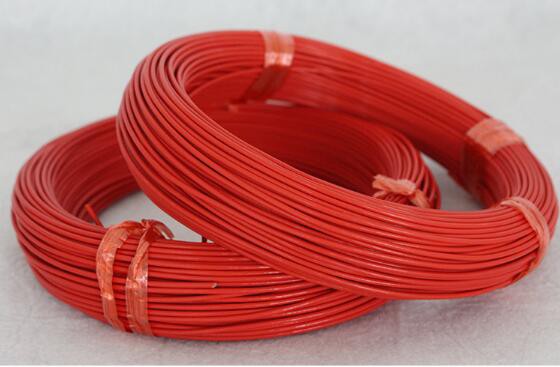
• Wire: 1.0 mm² high temperature resistant tinned copper wire or Teflon multi-strand soft wire, temperature resistant -40 ℃ +125 ℃.
• Sealing: asphalt, epoxy resin or soft polyurethane, with a Shore hardness of ≥60 after curing.
• Tools: road cutter (blade 4-8 mm), inductance tester, LCR meter, angle grinder, wire crimping pliers, etc.
2. Wire trough cutting
a. Shape and size
• Rectangle is the most common: long side ⊥ driving direction, length-to-width ratio 1.5:1–2:1.
• Typical size: 2 m (length) × 1 m (width) for a 3 m wide lane; 45° chamfers are made at the four corners to prevent cutting and shedding.
• Groove depth 30–50 mm, width 4–8 mm, error ≤±2 mm; at the same time, cut a feeder groove to the gate chassis.
b. Groove cleaning
• Rinse the mud with a high-pressure water gun → use a hair dryer to dry until the bottom of the groove turns white → apply primer to enhance bonding.
3. Coil winding
a. Number of turns and inductance
• Target inductance 100–300 μH; 2 m×1 m coil can reach 180 μH with about 6 turns.
• Measure while winding: Use an inductance meter to calibrate in real time. The smaller the circumference, the more turns.
b. Winding specifications
• The wires are straightened, close to the bottom, without crossing, and each layer is tightly attached; the "6+2" principle is recommended: 6 layers for the base, and 2 layers are added depending on the test results.
• There must be no joints inside the coil; if it must be connected, it must be welded + heat shrink tubing for double waterproofing.
4. Lead processing
a. Twisted pair shielding
• The output line is ≤5 m, with ≥20 twists per meter; the end uses shielded twisted pair (STP), and the shielding layer is grounded at one end.
• The lead is passed through a PVC tube or metal tube, and the distance from the strong current is ≥30 cm; add a metal tube shield when it is impossible to stay away.
b. Reserved length
• Reserve 1.5–2 m to the vehicle inspection end for easy wiring and maintenance.
5. Sealing and curing
a. Layered potting
• First fill 10 mm fine sand buffer → 160–180 ℃ molten asphalt or two-component epoxy resin potting, 24 h curing.
b. Surface repair
• The height difference between the sealing surface and the road surface is ≤2 mm. After grinding with an angle grinder, apply reflective paint to restore the appearance of the road surface.
6. Debugging and acceptance
a. Single machine test
• No-load inductance 100–300 μH; use a 300 mm×300 mm×2 mm iron plate to completely cover the coil, the indicator light changes from flashing to constant light and then moves away, and the gate automatically drops within 3 s to be qualified.
b. System joint debugging
• Vehicles pass at 5 km/h, trigger delay ≤50 ms, false alarm rate <0.1 %.
• Linked with license plate recognition and gate: the response of pressing wire and lifting pole is <1.5 s; anti-smashing test - the pole stops and rebounds within 0.3 s when it falls and encounters metal signal.
7. Common problems and countermeasures
• Low inductance: add 1-2 turns to compensate for the influence of underground steel bars.
• Crosstalk between adjacent coils: the difference in number of turns is ≥2 turns, and the difference in operating frequency is >5 kHz.
• Winter cracking: use low-temperature flexible epoxy resin or add nylon rope to enhance toughness.
According to the above steps, the ground sensor coil can be ensured to operate stably for a long time, and provide reliable trigger signals for parking lot gates, license plate recognition and other systems.