

Market demand is beginning to emerge: Indonesia is the largest economy in Southeast Asia, with a large population and a continuous growth in the number of electric two-wheeled vehicles. According to relevant data, the number of electric two-wheeled vehicles in large cities such as Jakarta has increased at an annual rate of about 10% in recent years. The reliance on electric vehicles in daily commuting, logistics and distribution has made the demand for efficient charging and swapping more prominent, providing a foundation for the charging and swapping cabinet market.
Limited policy support but gradually improving: Although the Indonesian government has not introduced large-scale subsidy policies for charging and swapping infrastructure like some countries, it has realized the development potential of the electric vehicle industry and has mentioned supporting the construction of charging facilities in transportation planning and other aspects, creating a relatively friendly policy environment for the development of charging and swapping cabinets.
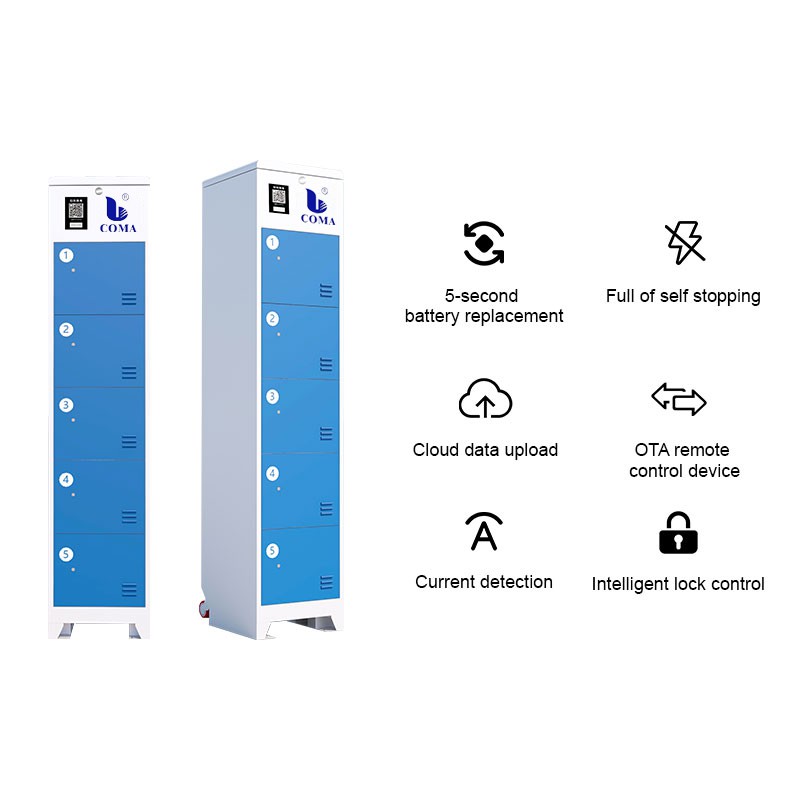
Enterprise layout and competition pattern: Some local companies have begun to layout the charging and swapping cabinet market, such as some traditional battery manufacturers cooperating with technology companies to launch charging and swapping cabinet products for electric two-wheeled vehicles. At the same time, some Chinese charging and swapping cabinet companies have also entered the Indonesian market with their technical and cost advantages, intensifying market competition. However, the current market concentration is low, and no absolute leading companies have yet been formed.
Application scenarios are concentrated: mainly concentrated in urban commercial areas, logistics parks and around transportation hubs. In commercial areas, it meets the short-term rapid energy replenishment needs of takeaway riders; logistics parks provide efficient battery replacement for logistics distribution vehicles to improve operational efficiency. However, in rural and remote areas, the coverage rate of charging and swapping cabinets is extremely low.