

The intelligent parking lot license plate recognition system is used in large commercial centers, where there are large crowds and insufficient parking spaces in the parking lot. However, thanks to the application of the intelligent license plate recognition system, the vehicles are parked neatly and orderly, relying on the recognition equipment on the parking spaces to realize the timing of the parking time of the vehicles. Moreover, there is a self-service payment terminal in the smart parking lot. The owner only needs to enter the "parking space number" on the self-service payment terminal to query related information. There are information such as parking time, charging standards and payable amount. Welcome to contact with us to get more details. www.coma-carparking.com
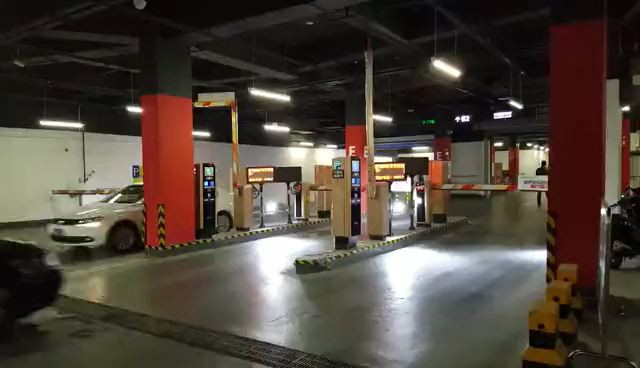
Intelligent License Plate Recognition System Reduces Management Pressure of Parking Lots in Large Commercial Centers
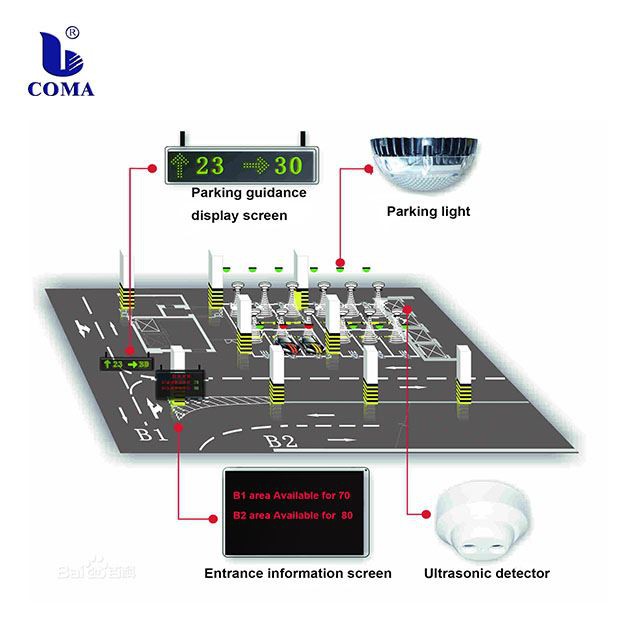
In the past, parking staff were provided guidance in the parking lots of commercial centers, mainly to assist car owners in parking and payment. After the intelligent license plate recognition system is put into use, according to the parking space guidance system, the whole process can be automatically guided. In addition, the system billing is accurate, effectively eliminating the disadvantages of manual charging.
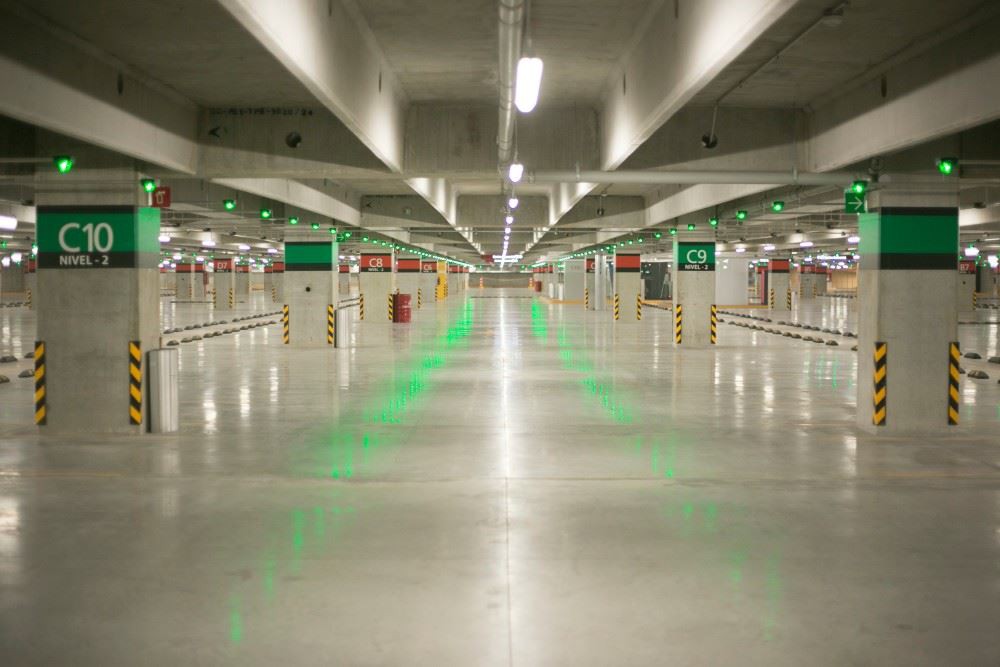
After the intelligent parking lot license plate recognition system is put into use, it will be further developed in the parking lot. In fact, the contradiction between parking supply and demand in many cities is not as prominent as in large cities. People find it difficult to park in the central business district. This is mainly due to inaccurate information, and owners cannot obtain parking information in a timely manner. In the future, with the development of smart parking, the urban parking cloud platform can realize unified scheduling and management of parking information and resources. When the time comes, the vehicle owner can be notified in time where there are free parking spaces, so as to improve the efficiency of the use of parking resources.